Development

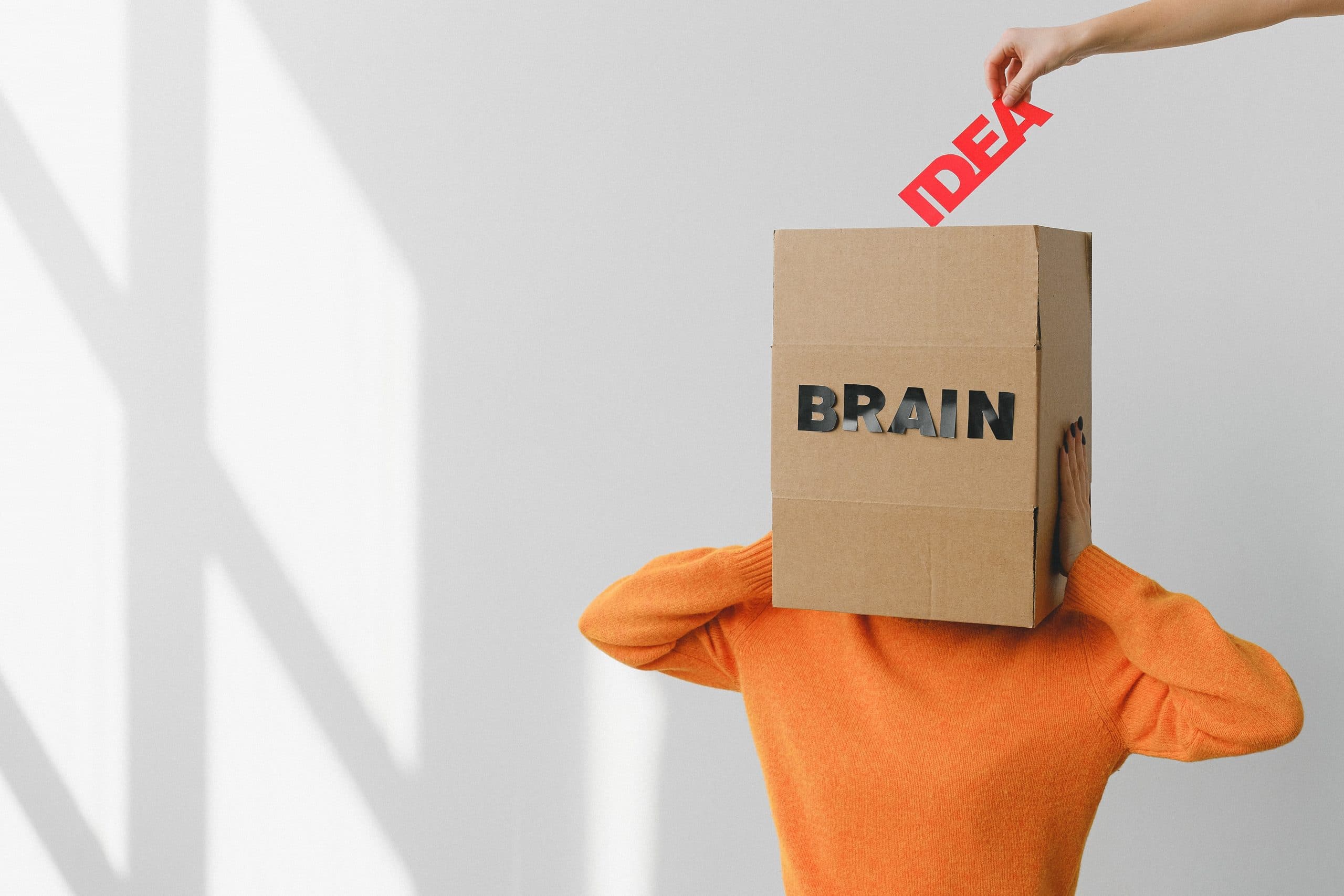
A photo of a person with a box over their head labelled "brain" and a hand putting the word "idea" into the box

The Best and Wisest Piece of Advice I Ever Received

Back in my early 20s, I was given a piece of advice, and told that it works in every situation that humans face.  I initially couldn’t (or rather, wouldn’t!) accept the idea that it could apply in every context. And I tried really hard to imagine a situation in which it wouldn’t work… but even […]

The Best and Wisest Piece of Advice I Ever Received Read More »
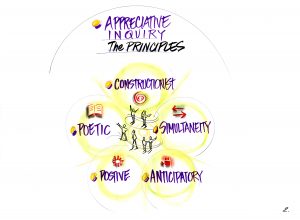
A diagram of the 5 principles of Appreciative Inquiry

The Link Between Appreciative Inquiry and Strengths

Appreciative Inquiry is a method for solving problems and implementing change by focusing on the positive. It emerged from the work of David Cooperrider and Suresh Srivastva in the late 1980s, and has since been used by businesses, teams and organisations around the world. The Ai (1) approach is perfectly aligned with the strengths-led approach,

The Link Between Appreciative Inquiry and Strengths Read More »

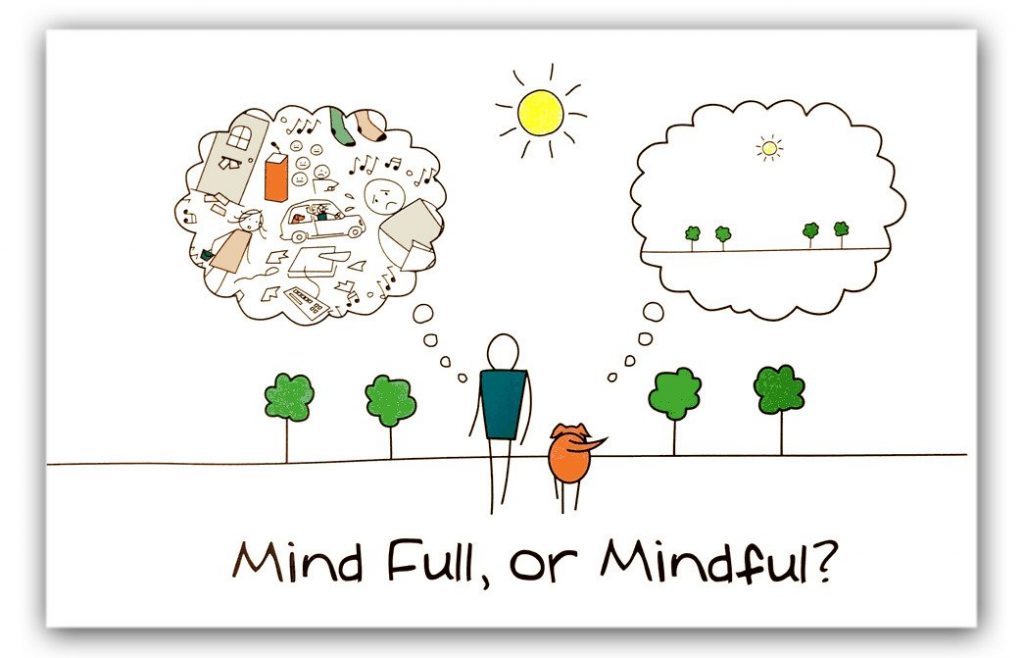
A cartoon of a person walking a dog. The person's thought-bubble is full of music, other people, cars, work etc, while the dog's thought bubble shows only the scene they are walking in.

Leadership toolbox: how to build self-awareness

Self-awareness is a key life and leadership skill. At its most basic level, self-awareness is about developing your knowledge and understanding of yourself, and being able to access that knowledge and understanding in real-time to help you better navigate your life. Its benefits include: greater self-confidence heightened sensitivity to thoughts, emotions and feelings improved critical

Leadership toolbox: how to build self-awareness Read More »

A crumpled piece of paper on a dark background. There is a large question mark on the paper.

Why we need to ditch certainty and embrace uncertainty

Certainty is highly prized by our brains. So much of what we do and say is aimed at creating certainty for ourselves, or projecting an aura of certainty for others to see. We often avoid uncertainty, because it can activate the threat-avoidance part of our brains. The problem is usually not the uncertainty itself, but

Why we need to ditch certainty and embrace uncertainty Read More »